
Modalities
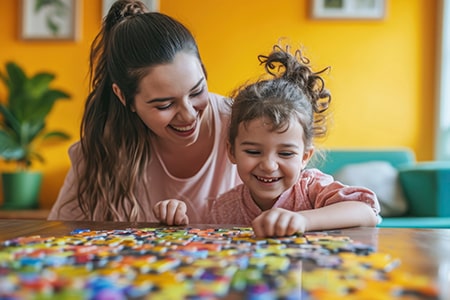

Erika Angulo is a Certified Synergetic Play Therapist™️
Synergetic Play Therapy
(Synergetic Play Therapy)
Synergetic Play Therapy® is a neuroscience-based play therapy approach that harnesses the natural power of play to help children heal emotionally. We know that play is the primary language of childhood; through play, children express their feelings, process difficult experiences, and show what they are not yet able to put into words.
In this modality, the therapist is trained to read the child’s play and support them in a way that promotes emotional regulation, integration of challenging experiences, and the development of healthier responses. Play becomes a safe space where the child can explore their inner world while feeling understood and supported.
Synergetic Play Therapy® uses principles from neuroscience, interpersonal neurobiology, attachment theory, and nervous system regulation to help children:
- Reduce challenging behaviors, aggression, or withdrawal.
- Decrease physical symptoms related to anxiety.
- Regain emotional balance and feel more secure.
- Develop self-regulation and resilience skills.
Through play, therapists can reach the root of a child’s distress and facilitate deep changes from the inside out. That’s why this approach does not only focus on behavior, but on what is happening internally in the child, helping reorganize the nervous system to build long-term well-being.

Art Therapy
Art Therapy combines creativity with psychotherapy to help children, adolescents, and even adults express emotions in a safe, nonverbal way. Through drawing, painting, clay, or different materials, individuals can process difficult experiences, reduce stress, and explore their inner world.
No artistic talent is required; what matters is the creative process, which supports self-regulation, self-esteem, and emotional well-being at all ages.

Attachment-Based Therapy
This approach is based on attachment theory and how our early experiences with important figures influence the way we relate to others and manage emotions today.
For children and adolescents, it helps strengthen emotional connection with parents, improve emotional regulation, and repair attachment wounds.
For adults, it provides a space to understand relationship patterns, heal past experiences, and build more secure bonds.
This therapy can reduce anxiety, withdrawal, behavioral difficulties, emotional disconnection, and relationship conflicts.

Relational Therapy
Relational Therapy uses the therapeutic relationship as a safe space where children, adolescents, and adults can explore how they relate to others.
Within this warm and consistent therapeutic bond, individuals learn to recognize repetitive patterns in their relationships, practice new ways of communicating, and build greater self-trust.
For children and adolescents, it is especially helpful for working on self-esteem, social skills, and family relationships.
For adults, it helps develop more authentic, empathetic, and satisfying relationships.
Unlike Attachment-Based Therapy, the focus here is on the present relationship between therapist and client.

Neuroscience-Informed Therapy
Based on what we know today about the brain, the nervous system, and emotions, this therapy helps people understand why they react the way they do when experiencing stress, fear, or frustration.
The work focuses on developing self-regulation tools, body awareness, and strategies to return to a state of calm and safety.
For children, adolescents, and adults, this approach reduces anxiety, irritability, impulsivity, challenging behaviors, and physical symptoms related to stress.
The goal is to support a more balanced nervous system and build long-term emotional resilience.

Mindfulness-Based Therapy
This approach teaches children, adolescents, and adults to practice mindfulness in order to manage intense emotions and reduce stress.
Through breathing exercises, body awareness, visualizations, and presence practices, individuals learn to recognize what they feel without becoming overwhelmed.
Mindfulness strengthens inner calm, mental clarity, and self-compassion, and helps people respond in healthier ways to challenging thoughts and situations.
It also improves concentration, sleep, emotional regulation, and overall well-being.
At Feelings and Beyond, we integrate different therapeutic modalities according to each person’s needs, age, and emotional process. Each intervention is designed in an individualized way, combining evidence-based approaches with a deep understanding of attachment, personal history, and the life stage the client is going through.

